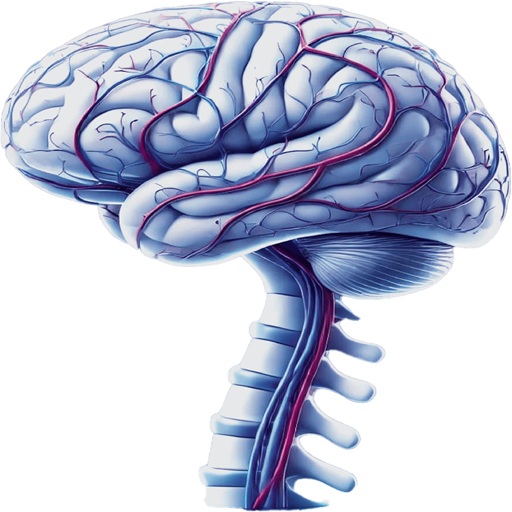
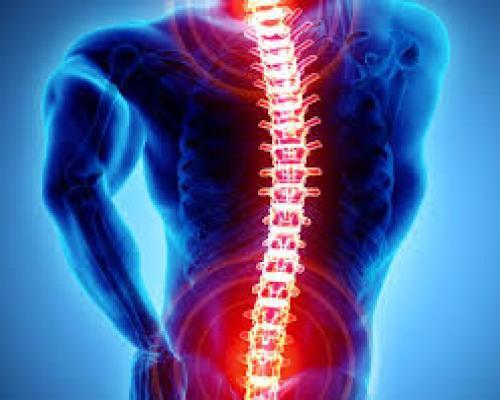
Spine surgery is a medical procedure aimed at treating various conditions affecting the spine, including injuries, deformities, degenerative diseases, infections, and tumors. Spine surgery can help relieve pain, restore function, and improve quality of life for individuals suffering from debilitating spinal conditions. The type of spine surgery performed depends on the underlying problem and the patient’s overall health.
Common Types of Spine Surgery
-
Discectomy
- Purpose: A discectomy involves the removal of a damaged or herniated intervertebral disc that is pressing on the nerves and causing pain, numbness, or weakness. This surgery is typically done when conservative treatments like physical therapy or medication are ineffective.
- Procedure: A portion or all of the damaged disc is removed, and the pressure on the affected nerve is relieved.
- Indications: Herniated discs in the cervical (neck) or lumbar (lower back) regions.
-
Laminectomy
- Purpose: A laminectomy involves the removal of part of the vertebra (the lamina) to create more space around the spinal cord or nerves, which can relieve pressure and reduce symptoms such as pain and weakness.
- Procedure: The lamina, a part of the vertebra covering the spinal canal, is removed. This is often done to treat conditions like spinal stenosis (narrowing of the spinal canal).
- Indications: Spinal stenosis, bone spurs, or conditions causing nerve compression.
-
Spinal Fusion
- Purpose: Spinal fusion is a procedure that involves joining two or more vertebrae together to eliminate motion between them. This can stabilize the spine, reduce pain, and prevent further damage.
- Procedure: Bone grafts (from the patient or a donor) are placed between the vertebrae, and metal hardware such as screws, rods, or plates are used to hold the vertebrae in place while they fuse together.
- Indications: Degenerative disc disease, spinal fractures, scoliosis, or instability due to spinal conditions.
-
Artificial Disc Replacement
- Purpose: In some cases, an artificial disc may be implanted to replace a damaged or degenerated disc. This procedure aims to preserve spine motion and reduce pain.
- Procedure: The damaged disc is removed, and an artificial disc made of metal and plastic is inserted between the vertebrae to restore function and relieve symptoms.
- Indications: Degenerative disc disease, particularly in the lumbar or cervical spine.
-
Vertebroplasty and Kyphoplasty
- Purpose: These minimally invasive procedures are used to treat spinal fractures, often caused by osteoporosis. The goal is to stabilize the vertebrae and relieve pain.
- Procedure: In vertebroplasty, a special cement is injected into the fractured vertebra to strengthen it. In kyphoplasty, a balloon is first used to create space in the vertebra before the cement is injected.
- Indications: Osteoporotic fractures or vertebral compression fractures.
-
Spinal Tumor Surgery
- Purpose: Surgery may be required to remove a tumor from the spine or spinal cord that is causing pain, weakness, or neurological symptoms.
- Procedure: The surgeon removes the tumor and may perform additional procedures like stabilization (fusion) if needed to restore spine integrity.
- Indications: Spinal tumors, both benign and malignant, affecting the spine or spinal cord.
-
Scoliosis Surgery
- Purpose: This is typically done to correct abnormal curvature of the spine (scoliosis) to improve posture, reduce pain, and prevent progression of the curvature.
- Procedure: The surgeon may use rods, screws, and bone grafts to straighten the spine and fuse vertebrae to prevent further curvature.
- Indications: Scoliosis (especially in adolescents or severe adult cases).
-
Minimally Invasive Spine Surgery (MISS)
- Purpose: Minimally invasive spine surgery uses smaller incisions and specialized instruments, which can result in less muscle dissection, shorter recovery times, and reduced pain compared to traditional open surgery.
- Procedure: The surgeon uses small instruments and a camera (endoscope) to access and treat the spine through tiny incisions.
- Indications: Various conditions, including herniated discs, spinal stenosis, and degenerative disc disease.
Post-Surgery Care and Rehabilitation
- Hospital Recovery: After spine surgery, patients are typically monitored for several days in the hospital to ensure there are no complications, such as infection, bleeding, or nerve damage. Pain management and physical therapy may begin early to promote healing and mobility.
- Rehabilitation: Physical therapy is often a key component of recovery to improve strength, flexibility, and posture. Patients may also be advised to avoid heavy lifting or high-impact activities for a certain period.
- Long-term Care: Regular follow-up appointments are needed to monitor the progress of healing, especially for surgeries involving spinal fusion or disc replacement.
Risks and Complications
As with any surgery, spine surgery carries certain risks, including:
- Infection: A risk associated with any surgical procedure, often treated with antibiotics.
- Nerve Damage: There is a risk of injury to the spinal cord or surrounding nerves, which could lead to weakness, numbness, or even paralysis in rare cases.
- Blood Clots: As with any major surgery, blood clots can form, particularly in the legs, and may require preventive treatment.
- Recurrent Pain: In some cases, the symptoms may return after surgery, especially in conditions like degenerative disc disease or scoliosis.
- Nonunion or Pseudoarthrosis: In spinal fusion surgeries, there is a risk that the vertebrae may not fuse properly, which may require additional surgery.