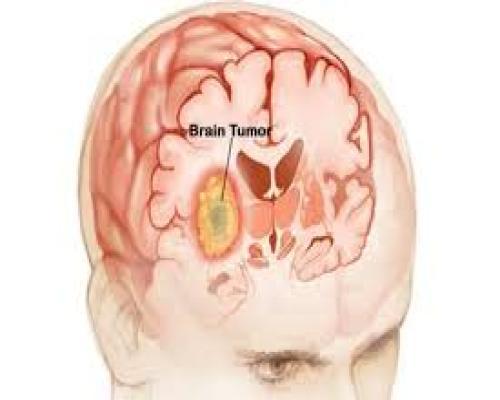
Brain tumor surgery is a medical procedure used to remove or reduce a tumor located in the brain. The goal of the surgery is to eliminate as much of the tumor as possible while minimizing damage to surrounding healthy brain tissue. The type of surgery performed depends on the tumors size, location, and type.
There are several different approaches to brain tumor surgery, including:
-
Craniotomy: This is the most common approach, where a portion of the skull is temporarily removed to access the brain. The tumor is then surgically removed or debulked (reduced in size). After the surgery, the skull is replaced and secured.
-
Endoscopic surgery: In some cases, minimally invasive surgery may be an option. This involves using a small camera and specialized tools inserted through a small incision, typically in the nose or a small opening in the skull, to remove the tumor.
-
Awake brain surgery: For tumors located in areas critical to important functions like speech or motor control, patients may be awake during part of the procedure. This allows the surgeon to monitor brain function in real-time and ensure that critical areas are not harmed.
-
Laser surgery: In certain situations, a laser may be used to target and destroy tumor cells, sometimes in combination with other treatments.
Brain tumor surgery carries risks, such as infection, bleeding, or damage to surrounding brain structures, which can affect neurological function. After surgery, patients may need rehabilitation or additional treatments like radiation therapy or chemotherapy to ensure the best possible outcome.
Advances in imaging technologies, such as MRI and CT scans, have greatly improved the precision and safety of brain tumor surgery, enabling surgeons to better plan and navigate the procedure.